Biodegradable Bag
What Are Biodegradable Bags, Exactly?
Unlike traditional plastic (which can take 400+ years to decompose), biodegradable bags are made from plant-based materials like cornstarch, sugarcane fiber, or PLA (polylactic acid). When exposed to the right conditions—moisture, oxygen, and microbes (usually in industrial compost facilities)—they break down into harmless byproducts: water, carbon dioxide, and organic matter. This natural decomposition process mimics how leaves and food scraps return to the earth, making biodegradable bags a much smarter choice for the environment than conventional plastics.
Why They’re Better for the Planet
No microplastics: Traditional plastic breaks into tiny microplastics that persist in soil and water for centuries, eventually entering the food chain and harming marine life and even humans. Biodegradable bags fully decompose without leaving these toxic residues behind.
Lower carbon footprint: Making plant-based bags uses 30–50% less energy than producing conventional plastic, and they emit fewer greenhouse gases during manufacturing. That means every time you choose a biodegradable bag, you're helping fight climate change.
Less landfill waste: In proper composting environments, most biodegradable bags break down in just 3–6 months—compared to centuries for plastic. Imagine your trash disappearing in a single gardening season instead of outliving your grandchildren.
Where to Use Them (Spoiler: Everywhere!)
Biodegradable bags aren’t just for grocery shopping—they’re versatile enough for:
-
Produce bags (say goodbye to those thin plastic produce wraps that never break down)
-
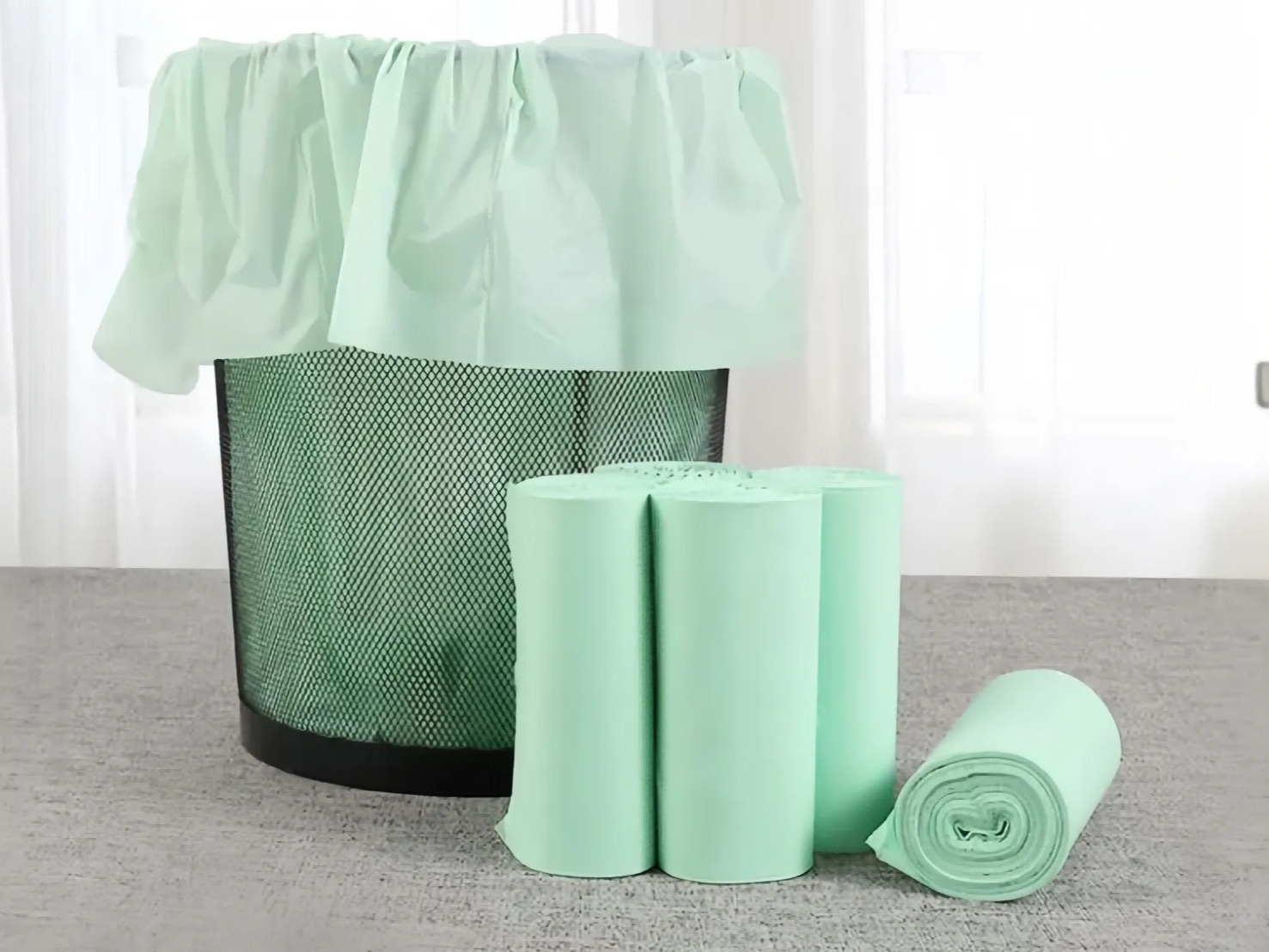
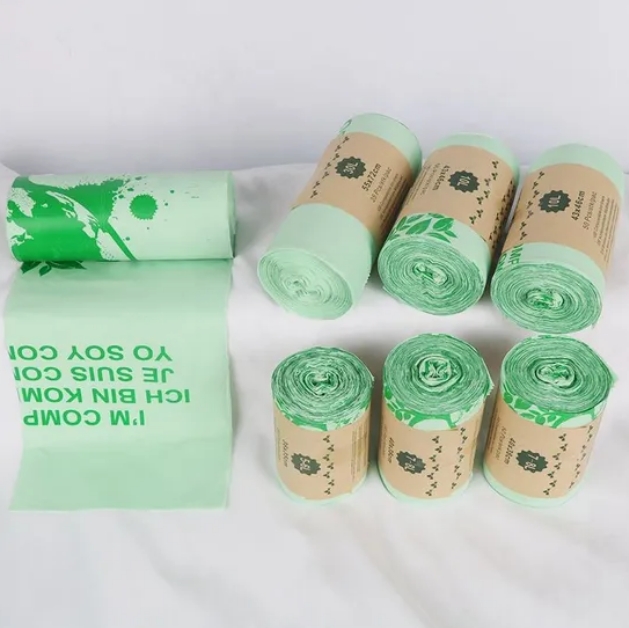
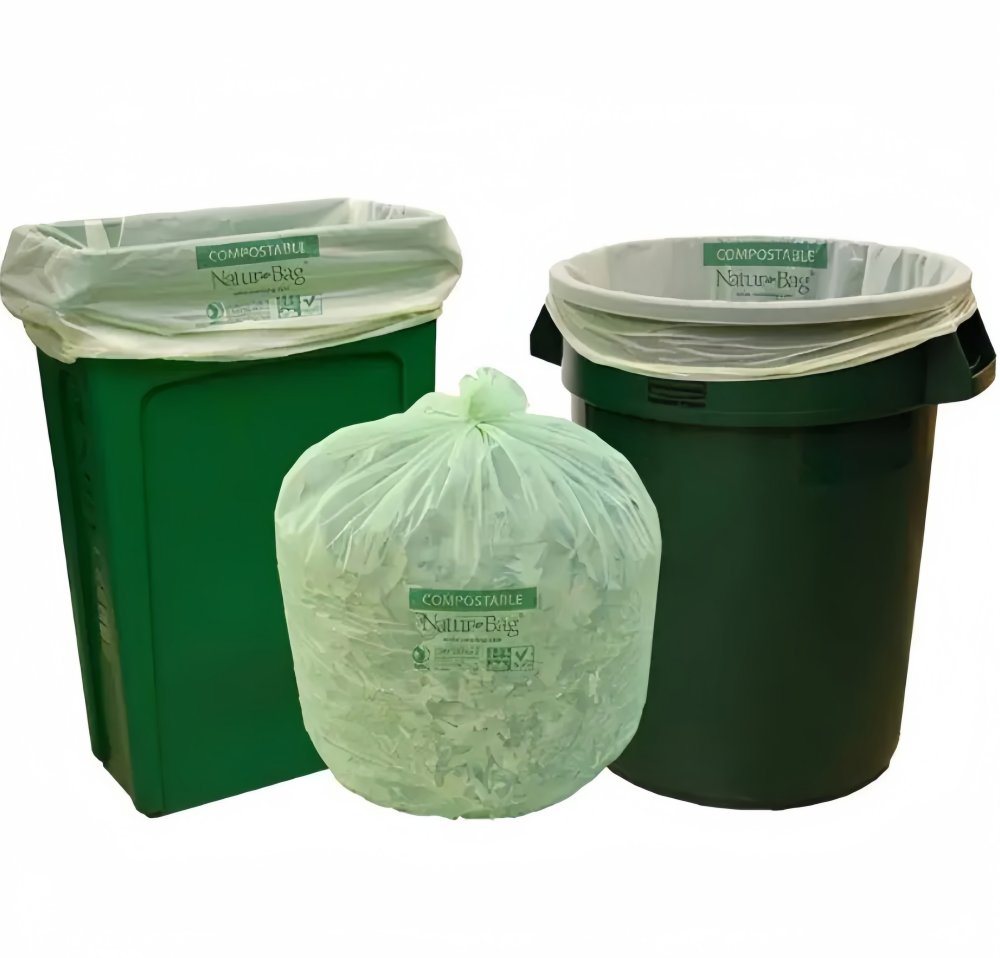
Trash and food waste bags (perfect for composting your kitchen scraps, including veggie peels, coffee grounds, and eggshells)
-
Retail purchases (many stores now offer them as a free or low-cost option—just ask at the register)
-
Gardening (use them to line planters or cover soil—they’ll decompose as your plants grow, adding organic matter to the earth)
You can also use them for pet waste, organizing your closet, or lining small bins around your home. The possibilities are endless.
Pro Tips for Choosing & Using Them
Look for certifications: Not all “biodegradable” claims are real! Some companies greenwash their products with vague labels. Check for trusted certifications like BPI Certified (US) or EN 13432 (EU)—these guarantee the bag will actually decompose in industrial compost facilities under real-world conditions.
Compost correctly: Most biodegradable bags need industrial compost facilities (with controlled heat and moisture) to break down fully. If you don’t have access to one, check if your local waste service accepts them—some curbside compost programs do! Never assume a bag will break down in your backyard compost bin unless the label specifically says “home compostable.”
Avoid “oxo-biodegradable”: These are just traditional plastic with additives that cause fragmentation, not true decomposition. They still leave microplastics and aren’t genuinely eco-friendly, despite misleading marketing claims.
Small Switch, Big Impact
Choosing biodegradable bags isn’t a “perfect” solution—but it’s a simple step that adds up. Every time you skip a plastic bag, you’re protecting oceans, wildlife, and future generations. Imagine millions of people making the same small switch: that’s millions of plastic bags never polluting our planet.
Ready to make the switch? Share your favorite biodegradable bag brands in the comments—or tag a friend who needs to see this!
#EcoFriendlyLiving #PlasticFree #BiodegradableBags #SaveOurPlanet
Biodegradable Trash Bags