Overnight: The Story Behind the Surge in Plastic Raw Material Prices
On September 1, 2026, plastic raw material prices were still at normal levels. By September 2, they had skyrocketed. In just one night, such a dramatic change occurred, leaving manufacturing bosses exclaiming, "Costs are becoming unbearable." What exactly caused this? Let's delve into the issue.
The primary raw material for plastic packaging is petroleum. In recent days, frequent conflicts between the United States and Iran have escalated, with the war intensifying. As a result of the war, the Strait of Hormuz—a critical route for oil transportation—has been blocked. This blockage has disrupted oil shipments, leading to a surge in plastic raw material prices. This sudden price hike is actually driven by three factors.
I. The Spark: Blockade of the Strait of Hormuz
On August 31, Iran declared the strait "completely closed," requiring vessels to obtain permits. A very large crude carrier struck a mine, caught fire, and ceased operations. Between August 29 and 30, commercial shipping dropped sharply to just five vessels per day. Approximately 20% of global crude oil trade and a large volume of chemical product shipments have been disrupted. The blockade of the strait doesn't just affect one area—it triggers a chain reaction with significant consequences. News of the blockade ignited market panic, driving up crude oil prices immediately.
II. The Chain Reaction
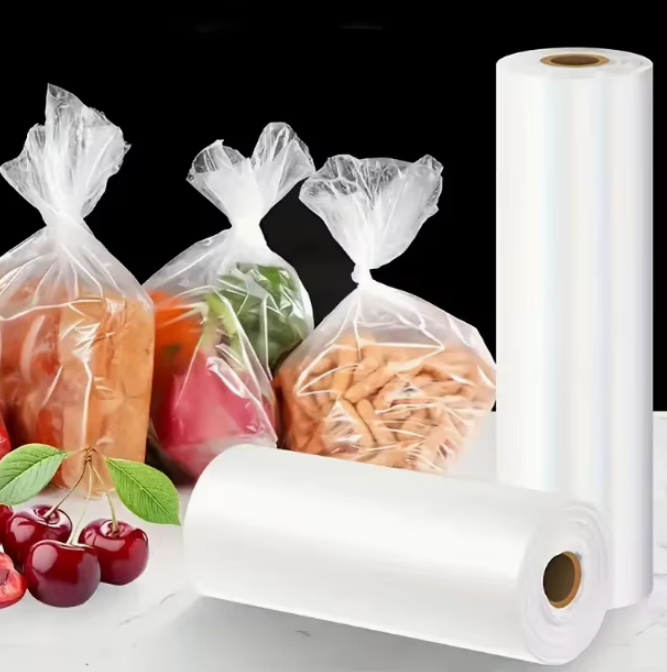
If geopolitical conflict is the "spark," then the cascading transmission of costs is how the fire spreads. Crude oil is extracted and refined into various basic chemical raw materials, which then undergo polymerization to become plastic pellets. These pellets are then processed through film blowing, injection molding, extrusion, and other techniques to become the plastic products we use daily. This means that at each stage of transmission, costs are passed along, increasing costs at every link in the chain.
III. Other Market Factors
Beyond geopolitical and cost factors, this sudden price increase is also influenced by supply-side issues and market sentiment. On the supply side for plastic pellets, current inventory levels are not particularly high. The market clearly faces a situation where demand far outstrips supply. Suppliers, observing this trend, have further pushed up their asking prices.

IV. Who Will Be Affected by This Price Surge?
Many people think that rising plastic prices are only a concern for the manufacturing industry and have nothing to do with ordinary people. That's not the case. Plastics are already deeply embedded in every aspect of our lives: grocery bags, takeout containers, express delivery packaging, beverage bottles, appliance casings, automobile parts… When this price surge reaches the end consumer, it will ultimately manifest as subtle increases in consumer goods prices, reflected in "more expensive packaging" and "higher costs."
For the manufacturing and export industries, the impact is more direct: rising raw material costs squeeze profit margins. Existing orders with locked-in prices may face the dilemma of "losing money as production continues." New order quotations will need to carefully assess the risk exposure from cost volatility.
V. Looking Ahead: Three Rational Judgments
First, the core variable in this price surge is the geopolitical situation. If the strait situation eases and transportation resumes, supply-side pressure will quickly subside, and prices may have room to fall. Conversely, if the conflict becomes protracted, high prices may persist for longer. Watching the news closely is more important than watching the K-line.
Second, cost passthrough does not equal a recovery in demand. At present, downstream markets generally face the situation of "easy to raise prices, hard to increase volume." Most purchases are for essential restocking, and there is no explosive growth in actual demand. For buyers, the prudent approach is to avoid blindly chasing high prices and hoarding inventory out of panic; instead, purchase as needed and control inventory levels.
Third, in the long run, this volatility is a shakeout for the industry. Companies with genuine production capacity, technology, and stable supply chains will emerge stronger, while those that rely on low-price orders and lack risk hedging capabilities will be accelerated out of the market. For the industry as a whole, this may not be a bad thing.
Conclusion
Price fluctuations for commodities are normal, but sudden, sharp, and rapid price increases are definitely not. This surge in plastic raw material prices is a "trio" orchestrated by geopolitical risks, cost transmission, and market sentiment. Understanding the full story will keep you from panicking—markets will always fluctuate, but those who can truly weather cycles are always the ones who see trends clearly, control costs effectively, and hold their ground steadily.
Here at Qingdao Shimao Long, we are a plastic source factory with over a decade of experience. We adjust our quotes promptly in line with market price fluctuations. If you are looking for a stable and reliable plastic packaging supplier, feel free to contact us for the latest quotes and samples. We are happy to have an open conversation to help you clearly calculate costs, quality, and delivery timelines. You can trust Qingdao Shimao Long—we will serve you with the utmost seriousness, responsibility, and professionalism.
Biodegradable Plastic Bags
The Convenience Brought by Plastic Packaging Products
Related Article