Can regular plastic bags and biodegradable bags be recycled together?
As environmental issues receive increasing attention, plastic packaging has been moving from traditional packaging toward biodegradable packaging. With the emergence of new products, new problems arise: Can biodegradable plastic packaging products be recycled together with regular plastic packaging products? Or do they need to be recycled separately? From the perspective of materials and recycling processing methods, the answer is usually: it is not recommended to mix regular plastic bags and biodegradable bags directly for recycling. Biodegradable plastic packaging bags and regular plastic packaging bags look very similar in appearance, but their material compositions and processing methods are very different. If different types of plastic bags enter the same recycling process, it may affect subsequent processing. So, what exactly is the difference between regular plastic bags and biodegradable bags? Why can't they simply be mixed together? How should they be handled in daily life?
-
What is the difference between regular plastic bags and biodegradable bags?
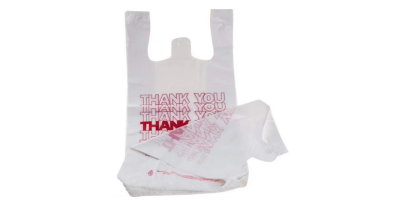
Regular plastic bags are generally made from PE as the raw material. PE material has good flexibility, waterproofness, and processing performance, so it is widely used in shopping bags, garbage bags, express delivery bags, food packaging bags, and industrial packaging products.
"Biodegradable bags" is a relatively broad concept. There are many different products that may use different materials and degradation conditions. Some biodegradable plastic products use modified materials or compostable plastic systems, and can only degrade under specific environments and conditions. Therefore, judging whether a plastic product is biodegradable cannot be based solely on the color, transparency, or appearance of the plastic bag.

-
What is the plastic recycling process?
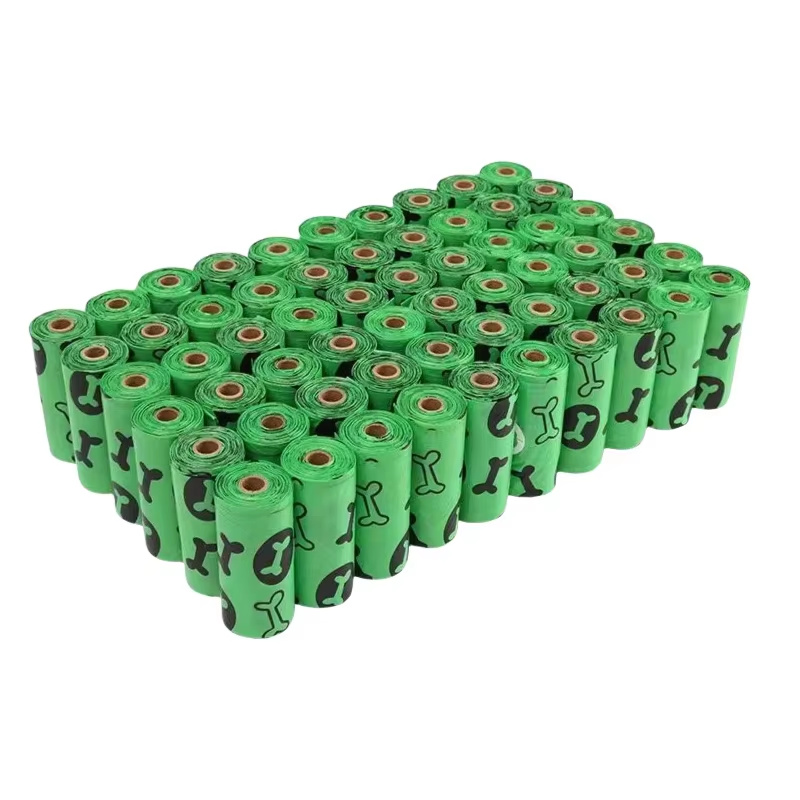
When people mention plastic recycling, they may not know much about it. They may also think the plastic recycling process is relatively simple, but the plastic recycling process is actually quite complex. The plastic recycling process usually needs to go through steps such as collection, sorting, cleaning, crushing, and processing. Different plastic materials may require different processing methods. If regular PE plastic bags are mixed with certain biodegradable materials and enter the traditional plastic recycling system, it may cause material mixing and thus affect the quality of recycled materials. Especially for recycling processes with high requirements for material purity, incorrect classification may increase the difficulty of subsequent sorting and processing. Therefore, "they are all plastic bags" does not mean they can necessarily be recycled in the same way.
-
Are biodegradable and compostable the same thing?
Some purchasers or enterprises often hear claims about biodegradable or compostable when buying plastic packaging products. So, are biodegradable and compostable the same thing? No, biodegradable and compostable are not the same thing. Biodegradable covers a broader range. Biodegradable means that the material can undergo degradation through biological action under certain conditions. Compostable is actually a subclass of biodegradable. Compostable usually involves products decomposing under specific composting environments according to corresponding requirements and meeting relevant standards.
Therefore, compostable plastic bags belong to biodegradable plastic bags, but the two are not the same thing. Biodegradable only means the material will fragment, but it does not necessarily disappear completely; while compostable plastic bags must completely decompose into organic matter under industrial high-temperature composting conditions and require authoritative certification.
-
Conclusion
So, can regular plastic bags and biodegradable bags be recycled together?
In general, it is not recommended to mix the two for recycling without confirming the local recycling system and material compatibility. Regular plastic bags and biodegradable bags may use different materials and processing methods, and mixing them into the recycling system may affect sorting and regeneration processing. For consumers, they should handle them according to local waste classification requirements; for enterprise purchasers, they should clarify the material type, product use, relevant certifications, and target market requirements before purchasing. Whether it is traditional PE plastic bags or biodegradable plastic bags, a truly reasonable packaging choice should be based on actual usage needs and correct handling methods. Environmentally friendly packaging is not simply replacing one type of bag with another, but considering multiple stages together, from material selection, product design, production and manufacturing, use, and waste disposal. Choosing suitable packaging so that the product can perform its due function while reducing unnecessary resource consumption as much as possible is an important direction for the sustainable development of the plastic packaging industry.
What are heat-seal bags?
The peak season for foreign trade procurement has arrived. How should companies choose suppliers?
Related Article