What are heat-seal bags?
In our daily lives, heat-seal bags are widely used and are one of the most versatile packaging categories. Whether for dry food, hardware accessories, electronic components, chemical powders, daily necessities, or export finished product packaging, heat-seal bags are used in almost all scenarios requiring sealing, moisture protection, dust protection, and freshness preservation. Compared with other packaging bags, heat-seal bags have stronger sealing performance and relatively lower cost. This article will explain in detail the materials and applicable scenarios of heat-seal bags.
I. Definition of heat-seal bags
Heat-seal bags, also called heat-sealed packaging bags or heat-sealing bags, are flexible plastic packaging bags that rely on high-temperature heat-sealing equipment to heat and press the seal closed. The inner layer of the bag contains a heat-seal resin layer. Through the high temperature and pressure of the heat-sealing machine, the bag opening film is melted and bonded, and after cooling, a closed, airtight, and watertight strong seal is formed.
Heat-seal bags themselves do not have adhesive or zippers. The sealing is completely completed by equipment heat pressing. The seal is flat, tight, and not easy to crack. They are very suitable for automated assembly line packaging and are also the basic bag type for vacuum packaging, sterilization packaging, and moisture-proof packaging.
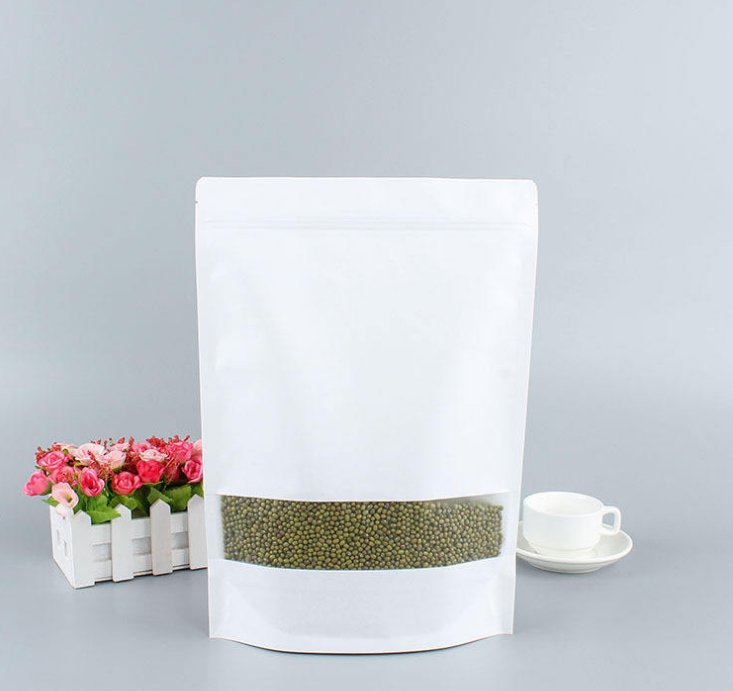
II. What are the applicable scenarios for heat-seal bags?
Heat-seal bags made of different materials differ greatly in properties, and these properties directly determine the packaging safety and storage duration of the product.
-
PE polyethylene heat-seal bags (most versatile, highest cost-effectiveness)
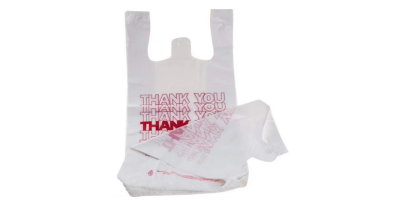
PE material is the most commonly used material for plastic bags. PE heat-seal bags are the most basic and most widely used heat-seal bags on the market. The material is soft, tough, not brittle at low temperatures, has stable heat-sealing effects, is odorless, environmentally friendly, non-toxic, and meets conventional food-contact standards.
Applications: ordinary food, dry goods, accessories, daily necessities, small hardware items, ordinary industrial product packaging
Features: low price, stable sealing, good toughness; not suitable for high-temperature boiling and high-barrier-demand products
-
CPP polypropylene heat-seal bags (heat-resistant, highly transparent)
CPP material has excellent heat resistance, high transparency, and good flatness. Its oil resistance and temperature resistance are better than PE, and it can withstand medium-high temperature heat sealing and short-term sterilization treatment.
Applications: cooked food, braised food, baked goods, retail products requiring high-transparency display
Features: good light transmission, stiff bag body, strong temperature resistance; low-temperature toughness is average
-
PET/PE composite heat-seal bags (high barrier, moisture-proof, freshness-preserving)
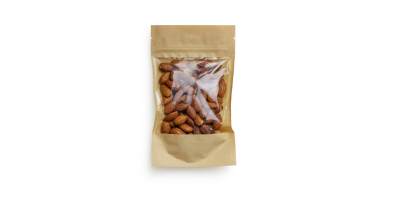
The outer PET layer has high stiffness, high printing quality, and tensile resistance, while the inner PE layer is responsible for heat-sealing adhesion. This is the most mainstream composite structure for food packaging. It has strong barrier properties and can effectively prevent moisture, oxidation, and preserve freshness.
Applications: nuts, snacks, powders, tea, dry goods, long-term stored food
Features: exquisite printing, good shelf display effect, long freshness preservation cycle, balanced cost-effectiveness
-
NY/PA+PE nylon heat-seal bags (puncture-resistant, high-strength, vacuum-specific)
Nylon material has extremely strong puncture resistance, tensile resistance, and tear resistance, and excellent oxygen barrier effect. It is the preferred material for vacuum packaging and heavy-duty product packaging.
Applications: meat vacuum packaging, hardware with edges and corners, sharp accessories, heavy industrial products, products requiring long-term storage
Features: not easy to break, ultimate sealing performance, tear resistance, puncture resistance, suitable for demanding storage and logistics transportation
-
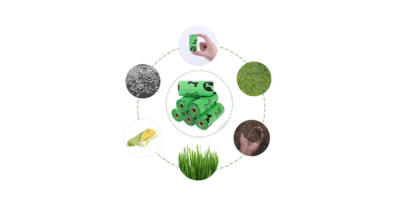
Biodegradable PLA/PBAT heat-seal bags (environmentally friendly export, ESG compliance)
Fully biodegradable heat-seal bags can be heat-sealed normally and are compatible with ordinary heat-sealing equipment. They comply with European and American environmental standards and are suitable for export packaging of cross-border brands and products emphasizing low-carbon and environmental protection.
Applications: cross-border brands, supermarket retail, environmentally concept products, exports to European and American markets
Features: industrially compostable and degradable, pollution-free, strong compliance; cost is slightly higher than ordinary plastic bags
III. Core advantages of heat-seal bags
Extremely strong sealing performance: integrated heat-pressed sealing, no air leakage, no water seepage; moisture-proof and dust-proof effects far exceed self-adhesive bags
Suitable for automated production: can connect with fully automatic packaging machines, suitable for large-batch assembly line operations, saving labor costs
High degree of customization freedom: thickness, size, printed logo, matte, glossy, and frosted effects can be customized
Wide application range: universally applicable across food, industry, electronics, daily chemicals, and pet products industries
Longer storage cycle: high-barrier materials can effectively prevent oxidation and deterioration, extending product shelf life
IV. Heat-seal bag FAQ
Q1: What is the difference between heat-seal bags and self-adhesive bags?
A: Heat-seal bags have no adhesive opening and require machine high-temperature sealing. The seal is tighter, not easy to open, and suitable for mass production and long-term storage. Self-adhesive bags rely on adhesive strips, have average sealing performance, and are suitable for temporary packaging and small-item sub-packaging, but not for long-term moisture-proof and freshness preservation.
Q2: Can all plastic bags be heat-sealed?
A: No. Only bags with a heat-seal inner layer (PE, CPP, modified heat-seal layer) can be heat-sealed. Pure PET and pure nylon cannot be directly heat-sealed and must be combined with a heat-seal layer before use.
Q3: Can heat-seal bags be vacuumed?
A: Yes. Special nylon composite heat-seal bags and PET/PE composite heat-seal bags can both be used for vacuum sealing, with excellent moisture-proof and freshness-preserving effects. Ordinary thin PE bags are not recommended for vacuum use, as they are prone to air leakage and damage.
VI. Conclusion
Heat-seal bags are currently one of the standardized flexible packaging types with the highest cost-effectiveness and strongest adaptability. With advantages such as stable sealing performance, automated production capability, high-end printing capability, and multiple material options, they cover the entire fields of food, industry, electronics, and cross-border export. Choosing the right material and thickness can not only reduce packaging damage rates, but also improve product freshness preservation effects and brand quality, making them the optimal choice for enterprises' bulk packaging. If you have any questions about heat-seal bags, you are welcome to consult us at Qingdao Shilongmao.
A Detailed Explanation of Plastic Packaging Bag Printing Processes
Can regular plastic bags and biodegradable bags be recycled together?
Related Article