Wrapping Cucumbers in Plastic Film Is Not the Villain, but It Is Not Innocent Either
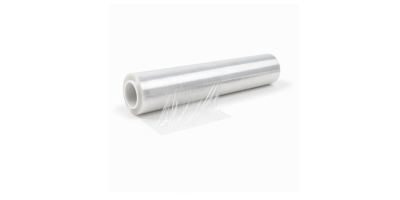
Every so often, a photo goes viral: a supermarket shelf, a single cucumber, wrapped in a layer of plastic film. One study says this film avoids environmental losses far greater than those it causes. Another study, conducted over eighteen months, says wrapping fresh produce in film does little to extend shelf life and sometimes even increases waste.
Both are credible. This is what happens when you "ask a complex system a simple question."
I. Why Cucumbers Became the Poster Child for "Overpackaging"
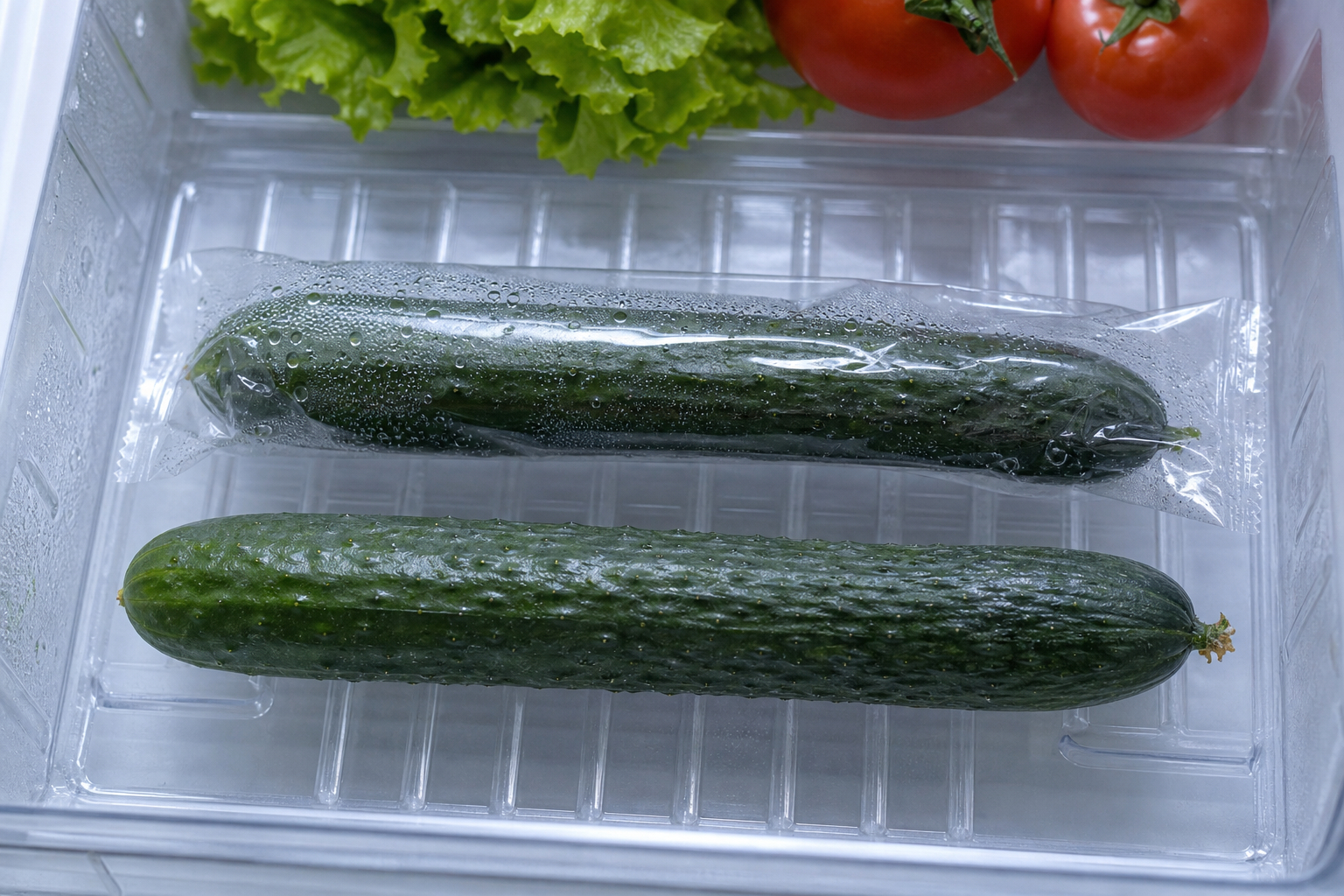
The thick-skinned slicing cucumbers common in European and American supermarkets have thick skins and travel well, and are usually sold bare; the long, thin-skinned English cucumbers lose moisture extremely quickly and are easily damaged by slight knocks, so they are almost always wrapped in film. The film's purpose is not decoration, nor marketing—it is simply a tiny moisture-retention chamber that lets the cucumber lose a little less water on the journey from field to refrigerator—a journey that may last a week.
Precisely because it is a "fragile product" wrapped in "visible plastic," it looks especially jarring in the shopping basket.
The situation in the Chinese market: most cucumbers available in China are the North China dense-spine type, with relatively thick skins and good keeping quality, sold mostly loose; film-wrapped ones are more often long cucumbers in premium supermarkets, export goods, or pre-packaged products sold as prepared vegetables or cut segments. In other words, when Chinese consumers see "overpackaging," what comes to mind is often not cucumber film but foam netting plus styrofoam boxes around fruit, disposable takeout containers, and filler in express delivery boxes.
II. A Number That Makes You Pause
A Swiss study treated the cucumber question as an accounting exercise: on one side, the plastic and its disposal; on the other, the food waste avoided.
In this system, plastic is not the expensive part. The cucumber is.
This is certainly not an argument that "everything should be wrapped in plastic." It is merely a reminder: the environmental cost of a product is not concentrated in "the pile of garbage you can see." A film-wrapped cucumber that gets eaten is "a small amount of plastic + food delivered intact"; an unwrapped cucumber that eventually goes soft in the refrigerator drawer is "the entire investment in growing, water, transport, and refrigeration written off"—and there is no plastic on site to photograph.
III. Why Both Conclusions Can Hold
These two studies are not fighting each other; they measure different things in different places. And the gap between them is precisely the most useful part.
Different varieties, different conclusions. Thin-skinned English cucumbers and thick-skinned slicing cucumbers behave completely differently. Film helps one significantly and is nearly useless for the other. Any headline that says only "cucumber" without specifying which cucumber tells only half the story.
Different supply chain lengths, different conclusions. If a cucumber goes from harvest to table in two days, an extra three days of shelf life is nearly worthless; but if it must cross oceans and spend a few days in a distribution center, those three days are decisive.
And one point matters more than all of the above: storage. Kept in the refrigerator with the film on, versus left bare on the counter, the difference in lifespan is enormous. And the film only works when it stays on the product. Most people tear it off first thing when they get home, effectively deleting by hand the value this packaging was meant to deliver.
IV. If You Are the One Choosing Packaging
First, match by perishability, not by shelf position. Berries, fresh-cut salads, chilled meat, and cheese can indeed benefit from barrier properties and gas regulation; potatoes, onions, and bananas basically do not. Applying the logic of wrapping fresh produce in film to every category produces exactly the thing in that viral photo.
Second, set package sizes by household size, not by pallet. A "cheaper per unit" large package, if a two-person household can never finish it, turns savings on packaging into waste on food. This is the hardest conclusion in the WRAP research, and it is a design decision, not a materials decision.
Third, do not treat "plastic-free" as a synonym for "lower environmental impact." A paper or compostable alternative, if it shortens shelf life, may actually result in higher total emissions, even though it photographs better. Any comparison must include the food.
Fourth, design for "the next day," not just for "the moment it arrives home." If the packaging's benefit depends on consumers keeping it on, then say so clearly on the packaging. One sentence costs nothing; losing that benefit means the packaging was wasted.
V. Three Things You Can Do in Your Own Kitchen
First, don't rush to remove the film from cucumbers; take it off just before eating. This one tip is more direct than any discussion of "switching packaging."
Second, store whole cucumbers in the refrigerator, not in the fruit bowl; keep them away from bananas and apples, which release ethylene and make surrounding items ripen faster.
Third, for cut cucumbers, seal the cut surface with plastic wrap or a sealed container—moisture escapes first from the cut.
To put it plainly: treat packaging as a tool, not as a stance. It is neither the villain nor innocent—manufacturers who sell bananas wrapped one by one are indeed not helping anyone.
But "look at this pile of plastic" style discussions consistently bypass the number that is truly expensive: plastic is the cheap part; food is what's expensive.
VI. Frequently Asked Questions
Is packaged always less environmentally friendly than unpackaged?
Not necessarily; it depends on what the packaging protects. For fragile, highly perishable foods that must cross long supply chains, a small amount of plastic may avoid much larger environmental losses; for durable products like potatoes and bananas, packaging often only adds cost and garbage.
If I remove the film as soon as I get home, does that mean the wrapping was wasted?
Basically yes. This film works by maintaining a humid micro-environment around the cucumber in the refrigerator; once the film is removed, the benefit goes with it. So the useful tip is "unwrap when you eat," not "buy film-wrapped ones."
"Compostable" Is a Conditional Promise
How to Read a Flexible Packaging Specification Sheet
Related Article