Plastic packaging's triangle doesn't actually mean "recyclable"
Turn a yogurt cup over, and there's a little triangle on the bottom with a 5 inside. Most people take one look and assume: this can be recycled.
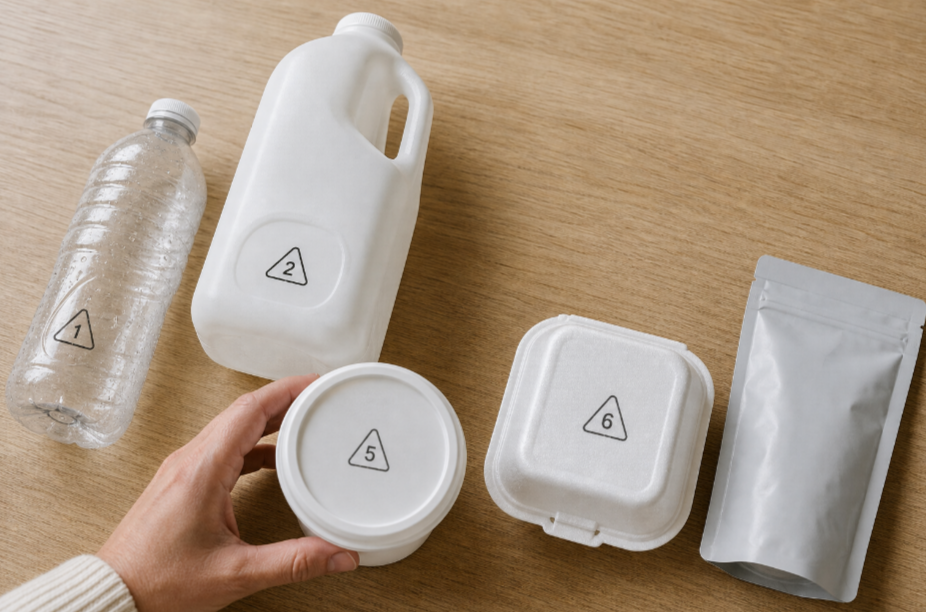
Actually, that's not how to read it. That number is a "resin identification code"—it answers only one question: what plastic is this packaging made of. As for whether it will actually be recycled, that number says not a single word about it.
I. That triangle was never a "recyclable" symbol
This numbering system was born in 1988. The plastics industry at the time gave each resin a number so that recycling plants could distinguish different materials: No. 1 PET, No. 2 HDPE, all the way to No. 7. It is essentially a technical marker for sorting lines.
The problem lies in its appearance. It looks too much like the circular arrows, so consumers naturally read it as "recyclable." The industry media itself wrote at the time: this code "was never intended to advertise packaging as recyclable."
II. Seven numbers, explained in one sentence each
Nos. 1 and 2 are the two types genuinely collected in large quantities. In its recycling infrastructure assessment, the U.S. Environmental Protection Agency specifically noted that PET and HDPE are among the few plastic types generally accepted by state recycling programs.
No. 7 is a "catch-all bin"—it includes both genuine specialty engineering plastics and the laminated pouch your coffee beans come in, with its aluminum foil inner layer. The latter cannot be handled by any curbside recycling program; printing a 7 on it does nothing but reassure people, with no practical effect whatsoever.
Nos. 3 and 6 appear in the table more like warnings. PVC releases corrosive gases during reprocessing, and recycling plants avoid even small amounts mixed in; expanded polystyrene is light, bulky, and worth little, so the economics of recycling fail before technology even comes into it.
III. The same number, two outcomes
So why is the same PET bottle recycled in City A but sent to a landfill in Town B forty kilometers away? The answer is almost never a chemistry question, but infrastructure and downstream buyers: whether the local sorting plant can pick it out, whether there's a reprocessing plant nearby, and whether anyone will buy the recycled material produced.
The same packaging pouch carries a recycling label in this market and nothing in that one. A recycling claim essentially says "we can collect it and process it here"—and whether it's collected and processed is local. Labels can travel with the goods; infrastructure doesn't.
A note on the situation in China: the main force in China's post-consumer plastic packaging recycling is the paid collection system rather than curbside sorting. PET beverage bottles have consistently had a fairly high recycling rate because they're valuable; laminated flexible packaging and foamed materials basically never enter the recycling stream and ultimately end up incinerated or landfilled. So in China, the reference value of the triangle on packaging is even lower than in Europe and America.
IV. If you're the one printing the label
Most people reading this are not standing at home sorting trash, but choosing packaging and specifying packaging. The changes above directly affect four things.
First, the number is disclosure, not design. You don't print a number because it looks reassuring, but because the packaging actually uses that resin. Printing it wrong is a labeling error—and in more and more places, that is already an error you can be held liable for.
Second, material choice now has labeling consequences. Single-material PE bags can reasonably claim recyclability in some markets; aluminum-foil laminated pouches cannot—and printing a triangle on one has gone from "marketing talk" to "compliance risk."
Third, the number must describe the entire package, not just the body. Caps, sleeve labels, pump heads, and liners all go into the sorting line together with the container. A PET bottle with a full-body PVC sleeve label is, in the eyes of a recycling plant, a contaminated PET bottle—regardless of what's printed on the bottom.
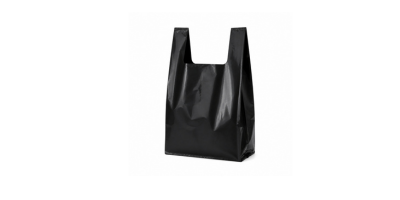
Fourth, flexible packaging is the hardest category. Bags, roll film, and laminated film can be handled through store drop-off networks, but only if the packaging actually says so. Printing just a 4 with no destination tells the user nothing; and that silence is now starting to be counted against brands.
VI. Frequently asked questions
Can No. 5 plastic actually be recycled?
It depends on where you are—that's the most honest answer. Polypropylene itself is recyclable, and the number of communities accepting it in curbside collection is growing, but coverage is uneven. Check your local sanitation department's list, not the symbol on the packaging—the symbol only tells you the material.
If there's a number inside the triangle, does that mean it will definitely be recycled?
No. Its role is to tell sorting equipment and reprocessing plants "what material this is." Whether it will actually be recycled depends on whether anyone collects it, whether it can be sorted out, whether there's a plant nearby, and whether the recycled material can be sold—none of which a single number can show.
Why do some packages have circular arrows and others a solid triangle?
Two versions of the same standard. Packaging printed under the old standard uses circular arrows; packaging printed after the 2013 revision uses a solid triangle. The numbering ranges are exactly the same, and neither is a recyclable claim.
How to Read a Flexible Packaging Specification Sheet
Sustainable Plastic Packaging
Related Article