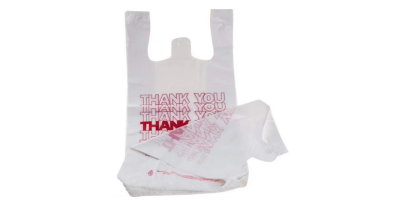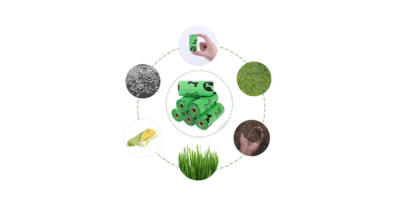
Biodegradable Plastic Bags
According to statistical reports, exports of biodegradable plastic packaging are set to surge in 2026, with exports of biodegradable pellets expected to exceed 800,000 metric tons. The most notable growth areas are PLA+PBAT fully biodegradable bags and PCR recycled PE mono-material recyclable courier bags (compliant with PPWR regulations). These trends are well-founded, as many countries and regions have been promoting environmental protection in recent years. Beyond industrial efforts, the increased use of biodegradable plastic bags in daily life is also an important way to protect the environment. Green living is no longer directed only at businesses and factories—it is gradually reaching everyday consumers.
I. Why are biodegradable plastic packaging materials gaining so much attention?
Traditional plastic bags offer strong physical properties—good toughness, tensile strength, load-bearing capacity, water resistance, moisture resistance, and low-temperature tolerance. In terms of production and cost, they are inexpensive, with mature raw materials and low mass-production costs, making them a highly cost-effective packaging solution when purchased in bulk. They are easy to process, lightweight, chemically stable, and convenient to use, with broad applications across express delivery, food packaging, waste storage, and many other scenarios. However, alongside these advantages, plastic bags have clear drawbacks: they degrade extremely slowly in natural environments, and when discarded carelessly, they cause white pollution; multi-layer composites and oil-contaminated bags become significantly harder to recycle; and exports are facing increasingly strict environmental regulations such as PPWR and EPR.
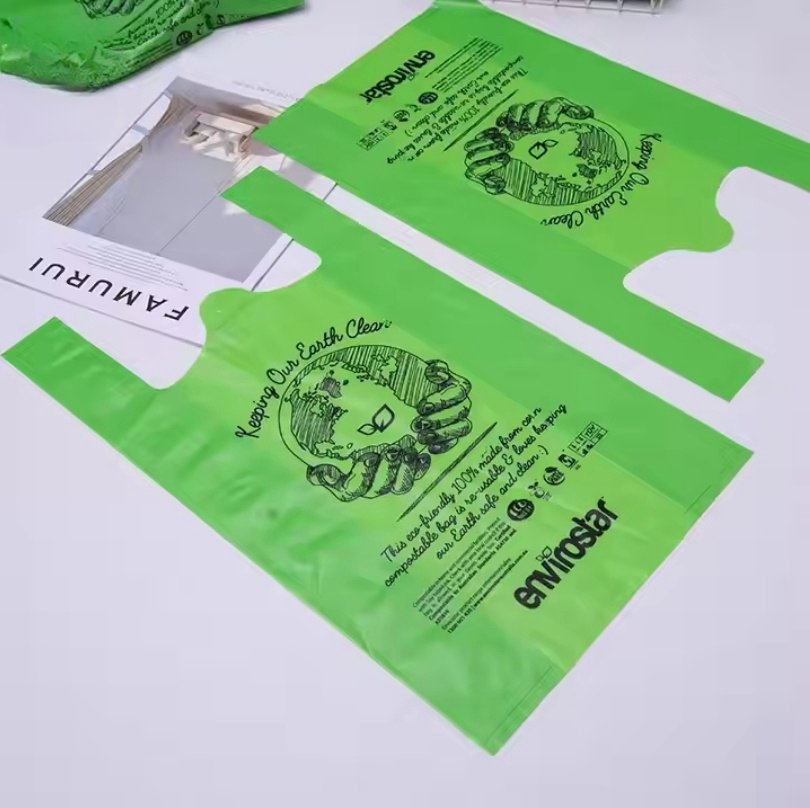
II. Biodegradable plastic bags are not just about changing materials
With the global push for environmental policies, more and more businesses are turning to eco-friendly plastic bags. But beyond being green, they also need the performance characteristics of traditional plastic packaging. A biodegradable bag that can be used commercially over the long term must offer good strength, toughness, leak-proof performance, and user convenience. Otherwise, even if the product is environmentally friendly, frequent breakage in actual use may increase packaging consumption and costs for businesses.
Material selection is a key factor in determining the performance of biodegradable plastic bags. Different customers have different requirements—for example, supermarket shopping bags place more emphasis on load-bearing capacity and handle strength, garbage bags focus on capacity and leak resistance, and courier bags need both tensile strength and durability during transport. Therefore, when producing biodegradable plastic bags, materials must be chosen based on the specific application, and product performance must be controlled through formulations and production processes.
Production processes are equally critical to ensuring quality. From raw material blending and film blowing to printing, bag-making, and final quality inspection, every step affects the finished product. Uneven thickness during film blowing may result in weak spots in the bag; inadequate control during bag-making and sealing can lead to weak seals or breakage during use. Therefore, a professional biodegradable bag manufacturer needs not only the right materials and equipment but also stable production experience and a solid quality control system.
In addition, businesses must correctly understand concepts such as "degradable," "biodegradable," and "compostable." These are entirely different terms and should not be conflated. The materials, certification systems, and degradation conditions for different products can vary significantly, and not all bags labeled as eco-friendly will break down quickly in any natural environment. Therefore, for exporters and brands developing eco-friendly packaging, it is essential to choose materials that meet target market requirements and to conduct relevant testing and certification for accurate marketing. Only by combining environmental attributes with actual product performance can truly marketable green packaging products be created.
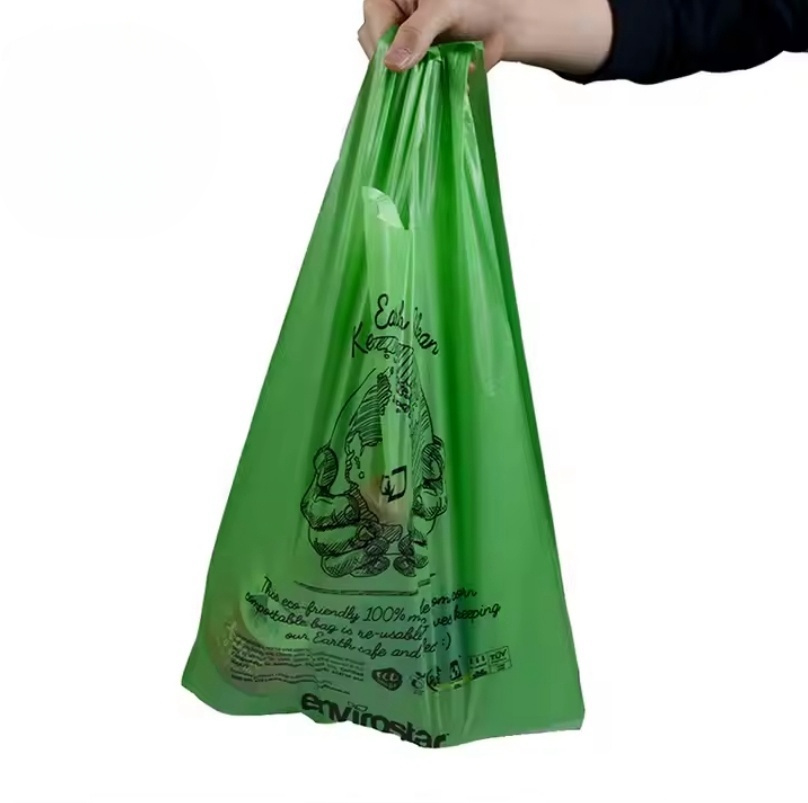
III. The true value of biodegradable packaging
Environmental sustainability is the major trend for the future, and biodegradable plastic bags continue to evolve and improve. The packaging industry will undergo repeated reforms and advances. At present, some eco-friendly plastic bags are not yet suitable for all scenarios or fields. In the future, as technology advances, even better and more capable products will certainly emerge.
IV. Conclusion
In this context, biodegradable plastic bags have significant room for growth. They can be used in shopping bags, garbage bags, courier bags, food packaging bags, pet waste bags, and many other areas, offering businesses an alternative to traditional plastic packaging. At the same time, companies should make more rational choices when selecting products. A truly suitable eco-friendly packaging solution must simultaneously meet product protection, convenience, cost control, and environmental requirements—not simply optimize for a single metric.
For plastic packaging manufacturers, the future requires continuous improvement in material application capabilities, production processes, and quality control, while offering more flexible customization options based on different customer and market needs. For brand owners and purchasers, it is necessary to take a whole-lifecycle approach, considering materials, specifications, usage patterns, recycling or disposal conditions, and the relevant requirements of target markets.
We are a source plastic factory based in Qingdao, Shandong, China. If you have any needs, please feel free to contact us—Qingdao Shilongmao.
Understanding Different Plastic Materials and Their Applications in the Packaging Industry
Overnight: The Story Behind the Surge in Plastic Raw Material Prices
Related Article