
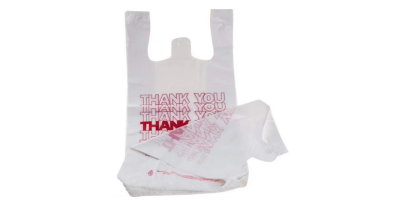
Paper Courier Bags
2025-11-07
Policy Push Drives Adoption
Across continents, governments are rolling out stringent regulations to curb plastic waste, creating a favorable landscape for paper alternatives. In the European Union, the Circular Economy Action Plan mandates a 50% reduction in plastic packaging waste by 2030, prompting logistics leaders like DHL and UPS to pledge full phase-out of plastic courier bags by 2027. DHL’s recent pilot program in Germany replaced 2 million plastic bags with water-resistant paper variants, cutting plastic usage by 150 metric tons and receiving positive feedback from 82% of customers.
In Asia, China’s “Dual Carbon” strategy—aimed at peaking carbon emissions by 2030 and achieving neutrality by 2060—has led major e-commerce platforms to adopt paper packaging at scale. JD.com, one of China’s largest online retailers, announced in 2024 that 90% of its domestic deliveries now use paper courier bags, up from 35% in 2020. “Paper packaging aligns with our sustainability goals and customer expectations,” said Li Wei, JD’s supply chain director. “We’ve invested $20 million in upgrading our packaging facilities to produce durable, eco-friendly paper bags that meet delivery demands.”
Technological Innovations Overcome Historical Limitations
Historically, paper courier bags faced drawbacks like poor water resistance and low load-bearing capacity, limiting their appeal for outdoor deliveries. Today, advanced manufacturing techniques have addressed these gaps. Swedish packaging firm Ecolean, for example, has developed a kraft paper bag coated with plant-based beeswax, enabling it to withstand heavy rain for up to 48 hours and carry loads of up to 5kg—on par with plastic alternatives. The coating is fully compostable, breaking down in soil within 90 days.
Other innovations focus on recyclability and user-friendliness. U.S.-based startup PackCycle has introduced a paper courier bag with a self-sealing, adhesive strip made from corn starch, eliminating the need for plastic tapes. The bag also features a QR code that guides consumers to local recycling centers, boosting proper disposal rates. “Our design solves two key pain points: durability and recyclability,” explained PackCycle CEO Sarah Chen. “In tests with U.S. retailers, our bags achieved a 78% recycling rate, compared to 45% for traditional paper bags.”
Industry Challenges Remain
Despite rapid growth, the paper courier bag sector faces significant hurdles. Cost remains a primary barrier: paper packaging is 15-20% more expensive to produce than plastic, straining small and medium-sized e-commerce businesses. “For a small boutique selling handmade goods, the extra cost per bag can eat into already thin margins,” noted Maria Lopez, director of the Global Packaging Association. “Without government subsidies or bulk purchasing discounts, many smaller firms struggle to adopt paper alternatives.”
Recycling infrastructure disparities also hinder progress. In developed nations like Germany and Canada, paper recycling rates exceed 65%, but in developing economies such as India and Indonesia, rates hover around 30%. This means millions of paper courier bags end up in landfills or incinerators, diminishing their environmental benefits. “We need global collaboration to build better recycling systems,” Lopez added. “Paper is only sustainable if it’s actually recycled, not discarded.”
Future Outlook: Growth and Collaboration
Industry experts remain optimistic, predicting that technological advancements and policy support will address current challenges. Canada and Japan have already introduced tax breaks for businesses using sustainable packaging, while the United Kingdom plans to launch a “Paper Packaging Grant” in 2025 to fund innovation. Meanwhile, manufacturers are exploring cheaper, more sustainable materials—such as mycelium (mushroom-based) coatings—to lower production costs.
As e-commerce continues to expand—projected to account for 25% of global retail sales by 2027—demand for paper courier bags will only rise. “The shift to paper is no longer a niche trend; it’s a business imperative,” said Chen. “Consumers are increasingly choosing brands that prioritize sustainability, and paper packaging is a visible way to demonstrate that commitment.”
With ongoing innovation and global cooperation, paper courier bags are poised to become the standard in logistics, marking a critical step toward a more circular, eco-friendly economy. By 2030, analysts estimate that paper could replace over 40% of plastic courier bags worldwide, a milestone that would cut the logistics sector’s plastic waste by 1.2 million metric tons annually.
Garbage Bags
Drawstring Trash Bags
Related Article
Plastic packaging printing involves design, plate making, ink, printing, lamination, and quality control. Common methods include gravure, flexographic, and digital printing. Gravure suits large orders with vivid, consistent colors; flexographic works for simple designs; digital fits small batches. Confirming material, size, colors, and bag type before production ensures satisfactory custom packaging.
A Detailed Explanation of Plastic Packaging Bag Printing Processes
Heat-seal bags are flexible plastic packaging sealed by heat and pressure, offering strong airtight, moisture-proof, and dust-proof protection. Available in PE, CPP, PET/PE, nylon, and biodegradable materials, they suit food, hardware, electronics, chemicals, and export packaging. Cost-effective, automation-friendly, and widely customizable, they are one of the most versatile packaging solutions.
What are heat-seal bags?
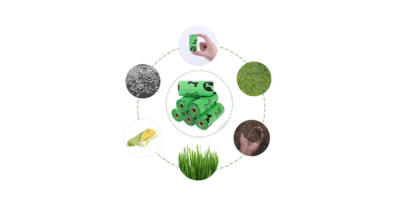
Regular plastic bags and biodegradable bags should not be mixed for recycling. They use different materials and processing methods, so mixing them can harm sorting and recycled material quality. Consumers should follow local waste sorting rules, while businesses should confirm material types and certifications before choosing packaging.
Can regular plastic bags and biodegradable bags be recycled together?
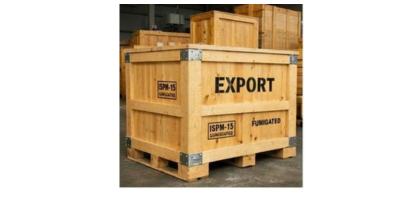
As September and October mark a key procurement window, overseas buyers prepare for fourth-quarter sales and holiday demand. When sourcing plastic packaging, companies should plan early, verify supplier capacity, quality, and delivery times, and confirm materials, sizes, printing, and quantities in advance.
The peak season for foreign trade procurement has arrived. How should companies choose suppliers?