
Ziplock Bags: The Versatile, Essential Storage Solution for Every Lifestyle
author: shilongmao
2026-03-30
In today’s fast-paced world, convenience and functionality are non-negotiable—and ziplock bags have emerged as an essential daily staple in households, commercial businesses, and busy on-the-go lifestyles worldwide. These practical resealable wonders combine smart simplicity with outstanding daily practicality, easily solving various everyday storage and organization challenges. Meanwhile, they perfectly adapt to evolving modern consumer demands for eco-friendly sustainability, food safety, and multi-scenario versatility, bringing neat, hygienic and cost-effective storage solutions to every family and industry.
At their core, ziplock bags are designed with a precise interlocking groove mechanism that creates a firm airtight, watertight seal with every closure, effectively locking out outside air, excess moisture, fine dust, and unwanted odors. This superior sealing performance reliably keeps all stored contents fresh, dry, and well-protected for longer periods, avoiding spoilage, contamination, and quality damage in daily storage. Made from high-quality durable polyethylene or upgraded eco-friendly biodegradable alternatives, these bags boast excellent toughness, stretch resistance and tear strength for long-lasting daily use.
They come in a complete wide range of sizes and thickness options—from compact small snack bags and sandwich pouches to heavy-duty large gallon-sized choices—fully covering diverse usage needs. This great versatility makes them perfect for everything from sealing refrigerated leftovers, daily meal prep and fresh food preservation to sorting small household gadgets, travel toiletries, cosmetic accessories, stationery supplies, and even tiny industrial hardware parts. Lightweight, portable and easy to stack and store, ziplock bags bring neat organization and hygienic storage to homes, offices, kitchens and commercial environments.
The global ziplock bags market is steadily growing, projected to expand at a CAGR of 5.8% from 2023 to 2030, driven by rising demand for convenient, reusable packaging solutions. A key trend shaping the market is the shift toward sustainable options, with more brands offering reusable, recyclable, or biodegradable ziplock bags to address environmental concerns—an important factor as 72% of global consumers prioritize eco-friendly products.
Beyond household use, ziplock bags are indispensable in commercial settings. Restaurants and food retailers rely on them for food safety and freshness, while small businesses use them for product packaging and organization. Their transparency allows for easy identification of contents, and their reusability makes them a cost-effective choice for both individuals and businesses alike.
Whether you’re freezing fresh meats and seafood to prevent unwanted freezer burn and lock in original flavor, packing portable snacks and fresh fruits for outdoor trips, travel outings and daily commutes, organizing messy office supplies, stationery and small daily items, or storing hardware parts and small hand tools at home and workshops, high-quality ziplock bags deliver outstanding reliability and great daily convenience for every scenario. With continuous advancements in modern material science and production technology, today’s ziplock bags are also much safer than ever before—completely free from harmful BPA, phthalates and other toxic chemicals—and engineered with enhanced thickness and flexibility. These sturdy ziplock bags effectively withstand sharp objects, accidental punctures and daily tears, ensuring excellent performance and long-term repeated use. As modern lifestyles become increasingly busier and global environmental sustainability gradually becomes a core priority for families and businesses worldwide, durable and eco-friendly ziplock bags remain a timeless, practical and essential storage solution that perfectly adapts to diverse daily, commercial and industrial needs.
Dishwasher Safe Reusable Sandwich Bags
Eco-Friendly Bubble Bag Surges in Demand as Global E-Commerce and Green Packaging Policies Advance
Related Article
Plastic packaging printing involves design, plate making, ink, printing, lamination, and quality control. Common methods include gravure, flexographic, and digital printing. Gravure suits large orders with vivid, consistent colors; flexographic works for simple designs; digital fits small batches. Confirming material, size, colors, and bag type before production ensures satisfactory custom packaging.
A Detailed Explanation of Plastic Packaging Bag Printing Processes
Heat-seal bags are flexible plastic packaging sealed by heat and pressure, offering strong airtight, moisture-proof, and dust-proof protection. Available in PE, CPP, PET/PE, nylon, and biodegradable materials, they suit food, hardware, electronics, chemicals, and export packaging. Cost-effective, automation-friendly, and widely customizable, they are one of the most versatile packaging solutions.
What are heat-seal bags?
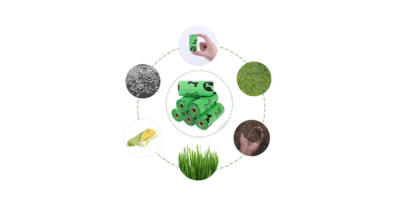
Regular plastic bags and biodegradable bags should not be mixed for recycling. They use different materials and processing methods, so mixing them can harm sorting and recycled material quality. Consumers should follow local waste sorting rules, while businesses should confirm material types and certifications before choosing packaging.
Can regular plastic bags and biodegradable bags be recycled together?
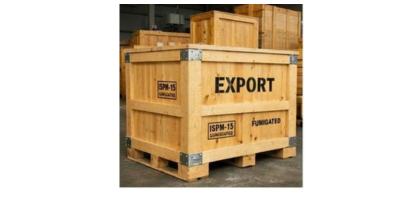
As September and October mark a key procurement window, overseas buyers prepare for fourth-quarter sales and holiday demand. When sourcing plastic packaging, companies should plan early, verify supplier capacity, quality, and delivery times, and confirm materials, sizes, printing, and quantities in advance.
The peak season for foreign trade procurement has arrived. How should companies choose suppliers?