Biodegradable Bags
Biodegradable Garbage Bags Gain Traction Amid Global Plastic Ban Push
As plastic pollution continues to pose a severe threat to ecosystems worldwide—from choking marine life to leaching toxins into soil and groundwater—governments are ramping up plastic ban measures, driving a significant surge in the adoption of biodegradable garbage bags. This shift not only aligns with global environmental goals but also reshapes consumer behavior, retail strategies, and industrial production on a massive scale. What was once a niche eco-friendly alternative is rapidly becoming the new standard in waste management.
In late October 2026, Canada announced an expansion of its national plastic ban, adding non-biodegradable garbage bags to the list of prohibited single-use plastics. This follows the country's earlier bans on plastic straws, checkout bags, and food containers in 2023. The new regulation, set to take effect in January 2027, requires all garbage bags sold in Canada to decompose completely within two years under natural environmental conditions—without leaving behind toxic residues or persistent microplastics. "This move is crucial to reducing plastic waste in our landfills and oceans," said Steven Guilbeault, Canada's Minister of Environment and Climate Change, noting that plastic bags account for 15% of all plastic debris found on Canadian coastlines. To help consumers and businesses transition, the Canadian government has launched a $50 million grant program to subsidize the production and purchase of certified biodegradable bags.
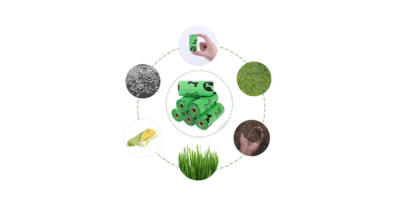
Across Southeast Asia, countries like Indonesia—once ranked among the world's top plastic polluters—have also stepped up enforcement. Jakarta introduced a mandatory biodegradable garbage bag policy for households in September 2026, with violators facing fines of up to 5 million rupiah (approximately $320 USD). Local manufacturers report a staggering 250% increase in biodegradable bag orders since the policy was announced, as residents and businesses rush to comply. Street vendors, traditional markets, and high-rise apartment complexes have all switched to compostable alternatives, often made from cassava starch or sugarcane fiber. Similar policies are under consideration in Thailand, Vietnam, and the Philippines.
Consumer demand is further fueling the trend. A recent study by Euromonitor International revealed that 72% of global consumers are now willing to pay 10–15% more for biodegradable waste products, compared to just 58% in 2023. This shift reflects growing awareness of microplastic pollution and its impact on human health. Major supermarket chains, including France's Carrefour and Australia's Woolworths, have already stopped stocking non-biodegradable garbage bags entirely, replacing them with plant-based alternatives. Carrefour reported that sales of biodegradable bags increased by 90% in the first half of 2026, with many customers specifically seeking out certifications such as OK Compost or TÜV Austria's "OK biodegradable SOIL."
However, challenges persist. Some environmental groups warn that improper disposal—such as tossing biodegradable bags into regular landfills that lack oxygen, heat, and microbial activity—can significantly slow decomposition, in some cases reducing breakdown rates to levels similar to conventional plastic. Additionally, higher production costs remain a barrier for small-scale retailers in low-income regions, where certified biodegradable materials can cost 20–30% more than traditional plastics. Without subsidies or shared infrastructure, these costs are often passed to consumers, limiting adoption.
Despite these hurdles, experts predict the global biodegradable garbage bag market will grow by 18% annually through 2030, as policy support, public awareness, and material science advancements continue to accelerate. New innovations—such as enzyme-activated degradation and home-compostable films—promise to make biodegradable bags even more effective and accessible. The humble garbage bag, long an afterthought in environmental debates, is finally being recognized as a critical front in the fight against plastic pollution.
Drawstring Garbage Bags: The Rising Star in Modern Waste Management
Drawstring Garbage Bag
Related Article