High-quality drawstring garbage bags
GreenLoom, a pioneering sustainable home goods brand, has announced a record-breaking demand for its high-quality drawstring trash bags, marking a significant shift in consumer preferences toward durable, eco-friendly waste management solutions. Since its launch three months ago, the product has sold over 500,000 units—surpassing initial sales targets by 120%—as households and businesses across North America and Europe seek to replace flimsy, non-biodegradable alternatives that have dominated store shelves for decades. The surge reflects a broader cultural turn: consumers are no longer willing to accept low-quality, environmentally harmful products simply because they are cheap or familiar.
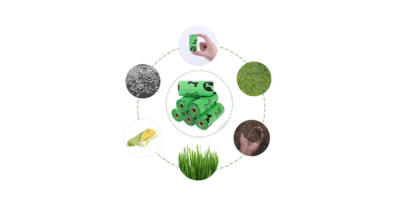
Crafted with a 20-micron thick, bio-degradable polyethylene blend, GreenLoom's drawstring bags offer a load-bearing capacity of up to 15 kilograms—30% higher than standard plastic trash bags, which often tear under the weight of wet kitchen waste or sharp-edged packaging. The reinforced double-stitched drawstring eliminates the need for messy, time-consuming knotting, while a leak-resistant seal prevents food waste liquids and other spills from seeping through. These features directly address two of the top consumer complaints about traditional bags: unexpected rips and dirty leaks. "I used to struggle with torn bags and spills every time I took out the trash," said Sarah Miller, a Chicago-based homeowner. "This one holds even my weekly kitchen waste—including coffee grounds, vegetable peels, and leftover liquids—without breaking, and the drawstring makes it so easy to carry with one hand while I hold the door open with the other."
What truly sets GreenLoom's product apart, however, is its environmental commitment. Unlike conventional plastic bags that take up to 450 years to decompose, fragmenting into harmful microplastics that contaminate soil and water, these drawstring bags break down naturally within 18 months under industrial composting conditions. The product is certified by the Global Recycled Standard (GRS), ensuring that every stage of production meets rigorous environmental and social criteria. In addition, GreenLoom uses 80% recycled materials in its product packaging—from the cardboard box to the inner paper sleeve—further reducing the brand's overall carbon footprint. For customers who track their environmental impact, each box of GreenLoom bags comes with a QR code linking to a detailed lifecycle assessment.
Major retailers, including HomeGoods and EcoMart, have reported stock shortages in key markets since the product's launch, prompting GreenLoom to ramp up production by 50% this month. Multiple stores have implemented purchase limits to ensure fair distribution. "Consumers are no longer choosing between convenience and sustainability—they want both, and they are willing to pay a fair price for products that deliver on both fronts," said David Chen, GreenLoom's product manager. "Our team tested 12 different material blends to find the ideal balance of durability, eco-friendliness, and affordability, and the response has been overwhelming. We even had customers emailing us asking when the bags would be back in stock."
Industry analysts predict the high-quality eco-friendly trash bag segment will grow by 25% annually over the next five years, driven by stricter plastic waste regulations and rising environmental awareness among consumers. GreenLoom plans to expand its product line in Q1 2026, adding smaller sizes designed for bathroom and office waste baskets, as well as a lavender-scented variant to naturally neutralize odors without using synthetic fragrances. For consumers like Miller, the shift is deeply personal. "It's a small change, really—just swapping one trash bag for another," she said. "But knowing I'm not adding to plastic pollution while making my life easier? That's worth every penny, and it feels like I'm finally part of the solution instead of the problem."
Paper-Plastic Bread Bags
Bread paper bag
Related Article