Plastic Bags vs. Paper Bags vs. Reusable Bags: Which Is Cheaper for Small Merchants?
For merchants, every expense affects profitability. Plastic bags, paper bags, and reusable bags are essential daily costs. Whether it's a coffee shop, grocery store, or retail outlet, choosing the right packaging bag requires balancing practicality with cost-effectiveness. Therefore, finding a balance between utility and value for money is key.
Currently, the main options on the market are plastic bags, paper bags, and reusable bags. When making a choice, it can be confusing to determine which is most suitable. This article compares these options from several perspectives to help you make an informed decision, saving costs without compromising service quality.
I. Plastic Bags
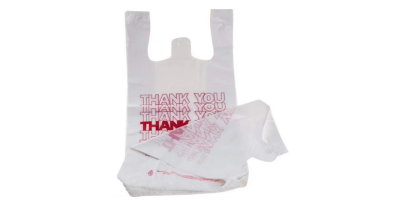
Plastic bags are highly versatile and widely applicable. Whether for beverages in a coffee shop, daily necessities in a grocery store, clothing in a boutique, or fresh produce in a fruit shop, plastic bags can easily handle them. Except for certain special items, plastic bags generally require no customization. By choosing the appropriate size and strength based on product dimensions and weight, merchants can buy in bulk to meet diverse needs. The cost of plastic bags is relatively low.
Advantages of Plastic Bags:
-
Waterproof, oil-resistant, durable, and easy to clean.
-
Lightweight and convenient to use.
-
Take up little storage space.
Disadvantages of Plastic Bags:
-
Not conducive to brand image.
-
Not heat-resistant; they deform and produce odors when holding hot food.

II. Paper Bags
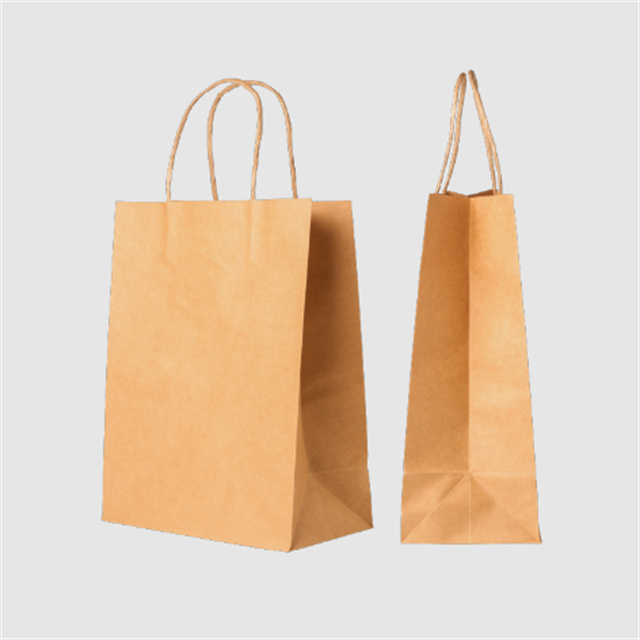
In our impression, paper bags may be more expensive than plastic bags and used less frequently. However, in some scenarios, using paper bags can increase product value and brand premium, which can offset the bag's cost.
Advantages of Paper Bags:
-
Recyclable and biodegradable, aligning with environmental trends and enhancing customer好感度.
-
High-quality texture, suitable for delicate items (pastries, jewelry, books).
-
Can stand upright, making it convenient for bottled goods or boxes.
Disadvantages of Paper Bags:
-
Not waterproof; they break easily when wet.
-
Lower load-bearing capacity than plastic bags of equivalent thickness.
-
Require moisture-proof storage.
III. Reusable Bags
Reusable bags have a higher upfront cost, making them seem the least economical choice at first. However, for stores with high repeat purchase rates, their long-term value becomes evident.
Core Values of Reusable Bags:
-
After 5–10 uses by customers, the per-use cost becomes lower than that of plastic bags.
-
Brand logos printed on them act as mobile billboards.
-
High load-bearing capacity, suitable for heavy items.
Implementation Suggestions:
-
Do not give them away for free; sell them at cost price.
-
Offer small discounts to customers who bring their own bags.
-
Design QR codes on the bags to encourage repeat visits.
Conclusion
From the comparison above, it is clear that for cost control, plastic bags are the optimal choice. Both upfront procurement costs and long-term consumption expenses are far lower than those of paper bags and reusable bags. In terms of brand image and value, paper bags and reusable bags better meet those needs. Our high-cost-performance HDPE plastic bags offer advantages that paper and reusable bags cannot match, saving you money while supporting brand promotion — a win-win.
As a factory-direct supplier, we offer plastic bags, paper bags, and reusable bags in various materials, sizes, and shapes. Our bulk purchasing prices are affordable, and we provide logo customization services. We are confident that the quality of our plastic bags will fully satisfy you.
Are Eco-Friendly Plastic Bags Really Not Durable?
Thin or Thick Plastic Bags? Match Your Use & Save Money
Related Article