How Does the Bag-Making Process Determine the Success or Failure of a Plastic Bag?
In the production of plastic bags, bag-making is the final process. Film blowing determines the quality of the packaging bag, printing determines the appearance of the packaging bag, and bag-making determines the soul of a packaging bag. From rolls of printed plastic film to exquisite plastic packaging, a great deal of technology and the most stringent quality requirements are involved. Whether a plastic packaging bag is durable or not, bag-making plays a very important role. This article will explain the bag-making process from several aspects, including procedures, quality, equipment, and cost.
I. The Core Role of Bag-Making
The core role of bag-forming is to turn flat plastic roll material into finished packaging bags with uniform specifications, firm seals, complete structure, and direct commercial usability through precise mechanical alignment, constant-temperature heat sealing, fixed-length cutting, and structural shaping. Ninety percent of common problems in plastic bags on the market, such as inconsistent lengths, seal edge bursting, water leakage, handle breakage, burrs on cut edges, and batch deformation, all originate from differences in equipment precision and parameter control in the final bag-making process. It can be said that the precision of the bag-making process directly determines the finished product qualification rate, service life, and commercial applicability of plastic bags.
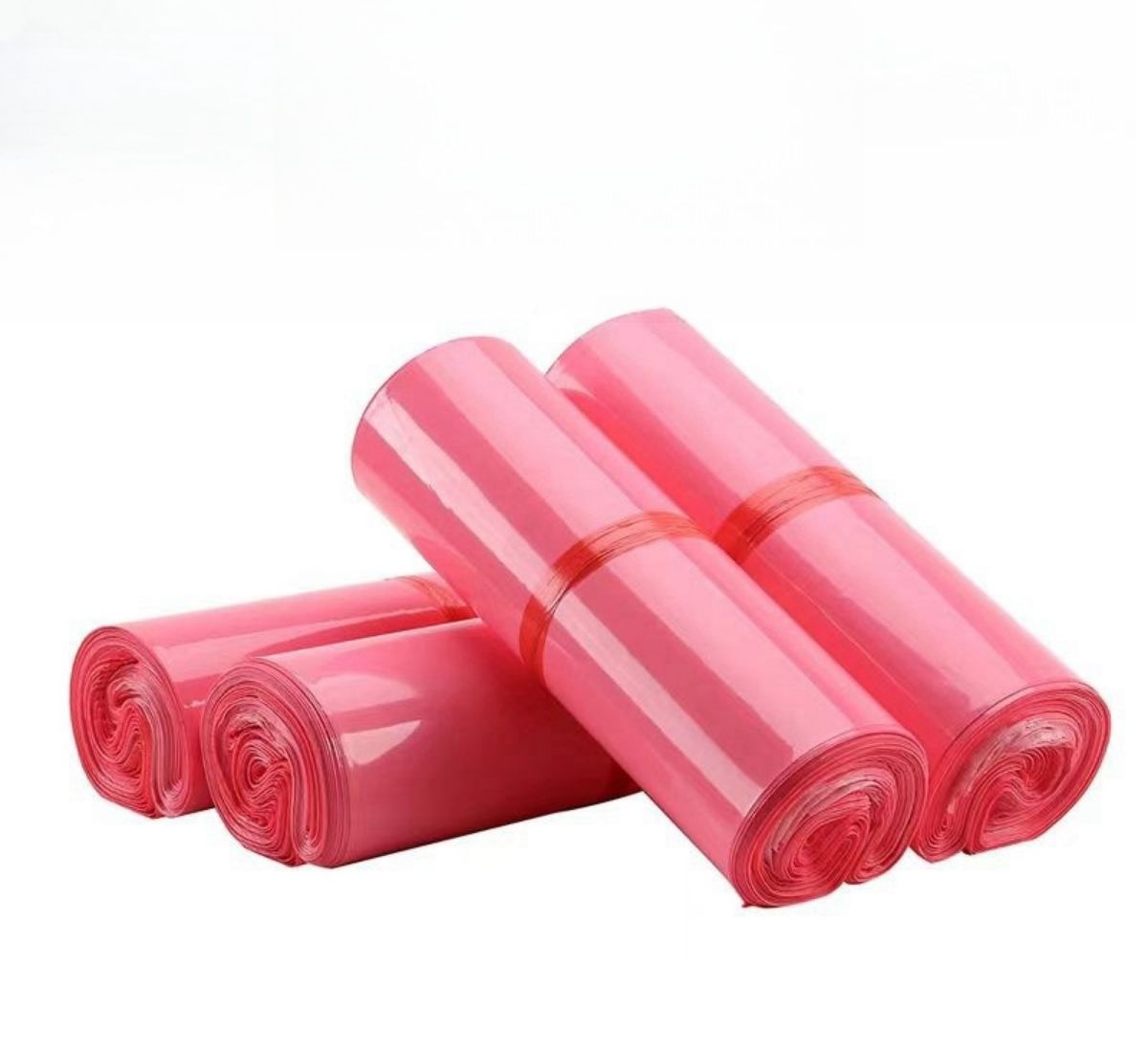
II. A Four-Step Breakdown of the Bag-Making Process
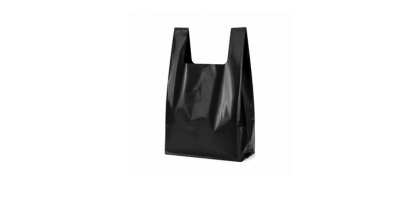
The final bag-making step for plastic packaging bags can be said to be "reshaping" the plastic film. Plastic packaging bags come in various forms, such as vest bags, flat bags, zipper bags, and so on. However, regardless of the form or appearance of the plastic packaging bag, the final bag-making process can be summarized into four steps.
The first step is unwinding and tension control. The printed film roll is installed on the unwinding shaft of the bag-making machine, and the film is evenly unfolded under the pull of the traction rollers. The key to this stage lies in tension control—if the tension is too high, the film will be stretched and deformed, causing bag size deviations; if the tension is too low, the film will wrinkle and deviate, affecting heat sealing and cutting precision. Therefore, tension fluctuations must be controlled within an extremely small range to ensure that every meter of film passes through smoothly.
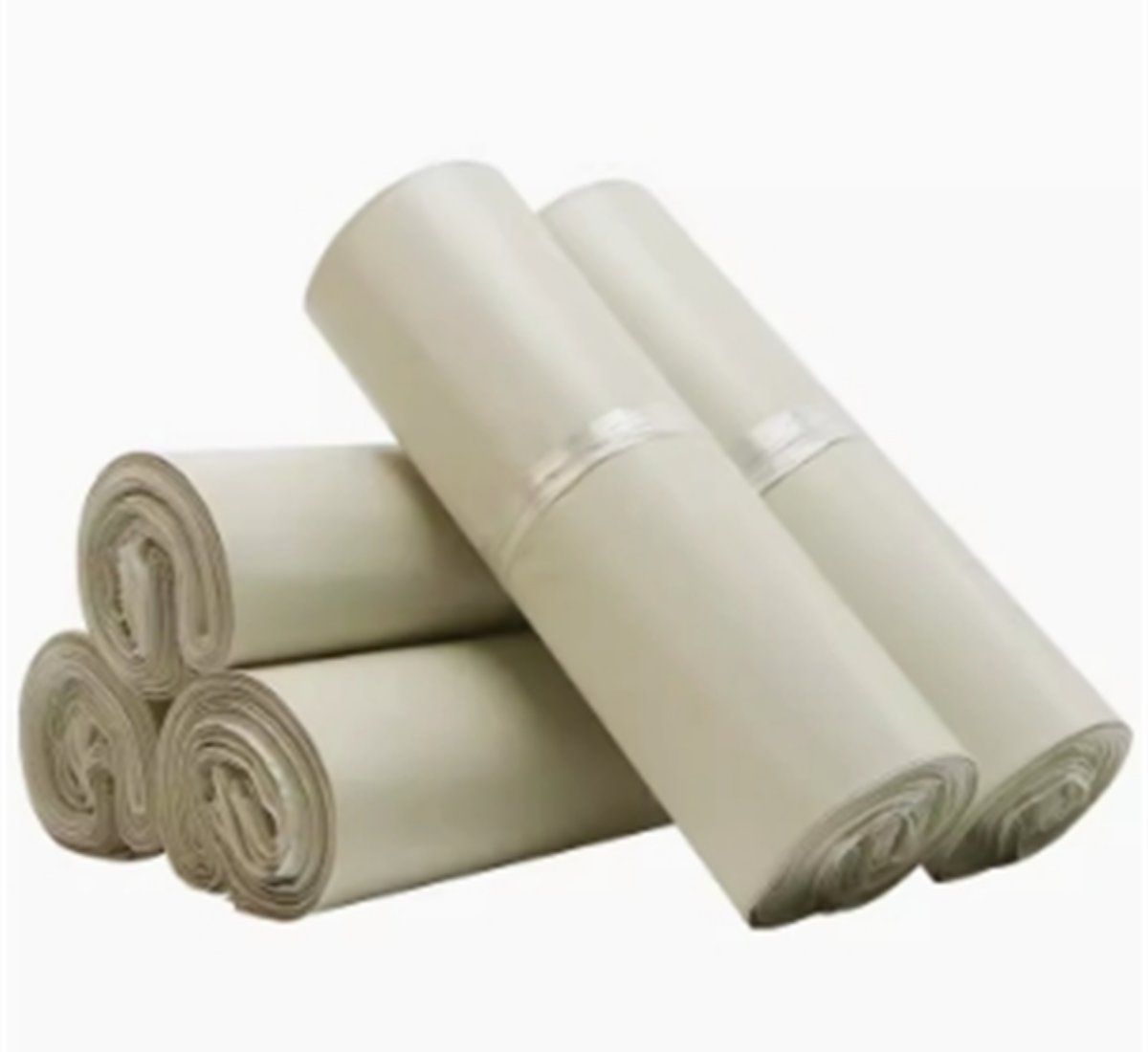
The second step is heat sealing. This is the core of the bag-making process. The heat-sealing knife presses two layers of film together under the set temperature, pressure, and time to form the sealed edge of the bag. If the temperature is too low, the seal will not be firm, and the bag will split as soon as it is filled. If the temperature is too high, the film will be burned through or become brittle, making it equally unusable. Films of different materials and thicknesses require different heat-sealing parameters. The heat-sealing temperature of PE film is usually between 120°C and 180°C, while PP film requires a higher temperature. Modern bag-making machines are equipped with multiple temperature control modules, which can set independent parameters for different parts of the bag, such as side seals, bottom seals, and handle seals. Therefore, when heat sealing, the temperature must be well controlled to ensure that the plastic packaging is sturdy and durable.
The third step is cutting. After heat sealing, the film passes through cooling rollers to set, and then enters the cutting stage. The cutting knife can be a mechanical knife, pneumatic knife, or ultrasonic knife, selected according to the type and thickness of the bag. Cutting precision directly determines the dimensional consistency of the bags. For a bag nominally 30 cm × 40 cm, if the cutting error exceeds 2 mm, it may jam on an automatic packaging line. The cutting repeat precision of high-precision bag-making machines can reach ±0.5 mm.
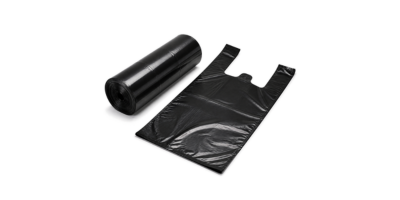
The fourth and final step is folding, punching, and receiving. For vest bags, handle holes need to be punched at the bag opening; for roll bags, perforated tear lines need to be made and rolled into rolls; for flat bags, they need to be stacked neatly. The degree of automation in this stage determines the labor cost and production efficiency of a bag-making factory. A fully automatic bag-making production line requires almost no manual intervention from unwinding to finished product receiving.
III. Summary
Although bag-making is the last step, this last step also determines whether a complete bag can be delivered to the customer. Every step in bag-making is crucial and affects the user experience when the final product reaches the customer. When choosing plastic bags, do not only look at raw material thickness, but also value the standardized process of the final bag-making stage. Stable, fine, and standardized bag-making technology can protect brand packaging, cross-border shipments, and daily commercial use, achieving the dual goals of cost reduction and efficiency improvement, as well as quality upgrading.
EU PPWR
The Invisible Thresholds of Plastic Bag Printing and Processing
Related Article