A Comprehensive Understanding of Polyethylene Materials and Their Applications in Plastic Packaging
Polyethylene is a term that most people have probably encountered. It is a very common and widely used plastic material. It can be found in all kinds of packaging bags. Today, let us take a comprehensive look at the characteristics of polyethylene and the differences and features of different types of polyethylene. Which type of polyethylene is the most common? Let us find out together today.
I. What Is Polyethylene?
First, let us understand what polyethylene is. Polyethylene is a thermoplastic plastic formed by the polymerization of ethylene. Its English name is Polyethylene, commonly abbreviated as PE. In the previous article, we already introduced thermoplastic plastics. Those who want to learn more can read the previous article. Polyethylene has good flexibility, water resistance, chemical resistance, and processing performance. It can be made into various plastic products through different processing methods such as blown film, extrusion, and injection molding. Because of its good processing performance and adaptability, PE has become one of the important materials in the global plastic packaging industry.

II. What Are the Main Characteristics of Polyethylene?
The reason polyethylene can be widely used is certainly closely related to its own material properties.
-
Good flexibility
By adjusting polyethylene materials, we can produce packaging bags with a certain degree of softness and stiffness according to our different needs. Therefore, PE packaging bags have many advantages, such as being easy to bend, convenient to store, space-saving, and tightly sealed. -
Good waterproof performance
Polyethylene has good waterproof and moisture-proof characteristics. Therefore, for products that need waterproofing and moisture protection, polyethylene packaging is a very good choice. For e-commerce express delivery and other goods during transportation, polyethylene product protection can avoid damage to goods caused by rainy weather during transportation. It can also protect products from dust and ensure that products remain clean and intact. -
Good chemical resistance
PE has a certain degree of resistance to many common chemicals, so it is also widely used in some industrial packaging and daily packaging products. However, there are differences between different PE materials and specific use environments. In the actual procurement process, suitable materials and thicknesses should be selected according to the packaging contents, temperature, and use environment. -
Easy to process and customize
Polyethylene can be produced using a variety of different processing techniques, so it can meet different customers' requirements for size, thickness, color, and printing. According to different customer needs, we can also print different brand logos, patterns, and other information, so that packaging can not only protect products but also play a role in brand promotion.

5.What are the common polyethylene materials?
Polyethylene materials are a large category and can be further divided into many classifications.
LDPE — Low Density Polyethylene
The English name of LDPE is Low Density Polyethylene, usually called low density polyethylene in Chinese.
LDPE has good softness and extensibility, so it is often used in plastic films, packaging bags, liner bags, and other products.
For packaging products that pursue a soft feel and good extensibility, LDPE is a common choice.
HDPE — High Density Polyethylene
The English name of HDPE is High Density Polyethylene, called high density polyethylene in Chinese.
Compared with LDPE, HDPE usually has higher rigidity and stiffness, so it is suitable for some plastic packaging products that require structural stability and load-bearing performance.
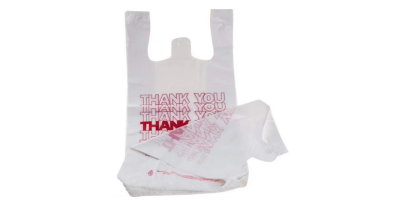
For example, some shopping bags, industrial packaging bags, and other plastic products can use HDPE material.
LLDPE — Linear Low Density Polyethylene
The English name of LLDPE is Linear Low Density Polyethylene, called linear low density polyethylene in Chinese.
LLDPE usually has good tensile performance and puncture resistance, and it is also widely used in the production of films and packaging products.
In actual production, manufacturers may also reasonably select or blend different PE materials according to customers' requirements for flexibility, strength, transparency, and cost.
-
The future development of polyethylene packaging
At present, one of the largest application areas of polyethylene packaging is plastic packaging. PE packaging bags, PE garbage bags, PE express bags, PE clothing packaging bags, and PE food packaging bags. In our daily lives, these packaging products can be seen everywhere, providing us with a lot of convenience.
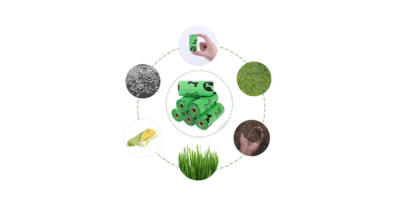
In the future, with the continuous development of the global packaging industry, customers' requirements for packaging products are also constantly changing. In the past, customers may have focused more on price and product specifications, and may have had lower requirements for other aspects. Now, more and more businesses are beginning to pay attention to product functions, whether printing is possible, and whether products meet the environmental standards required by the state.
III. Conclusion
The future PE packaging industry will pay more attention to functionality, customization, lightweighting, and sustainable development. For plastic packaging buyers, wholesalers, importers, and brand customers, understanding the characteristics of polyethylene and different types can help choose more suitable packaging materials. If you have any questions or doubts about this area, you can contact us at Qingdao Shilongmao, and professional staff will answer them for you.
Can plastic bags be used to hold hot food?
Understanding Different Plastic Materials and Their Applications in the Packaging Industry
Related Article