Understanding Different Plastic Materials and Their Applications in the Packaging Industry
When we mention plastics, everyone is certainly familiar with them—for example, plastic cups, plastic basins, plastic films, storage boxes, plastic packaging bags, and so on. Among these, plastic packaging bags are probably the most frequently used plastic product. Plastics are a very common class of materials in modern industry and daily life. They are used across various industries due to their unique characteristics such as light weight, water resistance, moisture resistance, corrosion resistance, ease of processing, and relatively low cost. For many of us, "plastic" seems like a general concept, but in fact, plastics can be subdivided into many types. Learning more about the characteristics of plastics can help companies choose better packaging materials and also assist in developing more suitable packaging solutions based on product needs.
I. What are the main classifications of plastics?
When buying products, we may have heard of some plastic classifications, such as PE, PP, PVC, etc. We might have only a rough understanding of these materials, but we may not know the specific properties and characteristics of each type. Below, we will introduce each material and how plastics are classified in more detail.

From the perspective of industrial applications and material properties, plastics can generally be classified in different ways. A common classification method is based on their behavior when heated, dividing them into thermoplastics and thermosetting plastics.
Thermoplastics are a class of materials widely used in current production and daily life. They are characterized by softening when heated, hardening again upon cooling, and can be formed into different products through heating and processing. Familiar materials such as PE, PP, PET, PVC, and PS all belong to common thermoplastics.
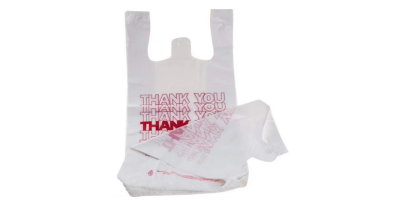
Let's start with PE, or polyethylene, which is a very important material in the plastic packaging industry. PE has good flexibility, moisture resistance, and chemical resistance, making it widely used in shopping bags, garbage bags, courier bags, food packaging bags, flat bags, and other flexible packaging products. Therefore, many packaging products are made of PE. Depending on density and production processes, PE can be further divided into LDPE, LLDPE, HDPE, and other types, each differing in softness, strength, transparency, and other properties.
Next, PP, or polypropylene, is also a common plastic material. Compared with some PE materials, PP has better heat resistance, rigidity, and fatigue resistance, so it is widely used in food packaging, daily necessities, containers, and industrial products.
PET, or polyethylene terephthalate, has good transparency, strength, and barrier properties, and is commonly used in beverage bottles, food packaging, and some composite packaging materials. Due to its good mechanical properties and recyclability, PET also has a high application rate in the packaging field.

PVC, or polyvinyl chloride, has good chemical resistance and processability, and can be used in pipes, films, wires and cables, and some packaging products. However, different PVC products vary significantly in formulation and uses, so the right material must be selected based on product requirements in practical applications.
Besides thermoplastics, let's also look at thermosetting plastics. These materials form a stable structure through heating and chemical reactions during processing. Once cured, they generally cannot be remelted like thermoplastics. Thermosetting plastics have good heat resistance, mechanical properties, and dimensional stability, so they are more commonly used in electronics, electrical appliances, automotive, and industrial components.
Therefore, we can understand that "plastic" is not a single material, but a large family of many materials with different properties. Different plastics must be selected according to specific product uses.
II. Understanding plastic classifications helps you choose more suitable packaging materials
Plastics have become indispensable materials in modern society. From PE, PP, PET, PVC to various new environmentally friendly materials, different plastics play different roles in industry, agriculture, food, logistics, retail, and daily life, each with its own performance characteristics.
For ordinary consumers, understanding plastic classifications helps us recognize plastic products more rationally and choose products that suit us better. For corporate purchasers, understanding the performance of different plastics helps companies select more suitable packaging materials based on actual product needs, and choosing the right packaging products can also save costs.
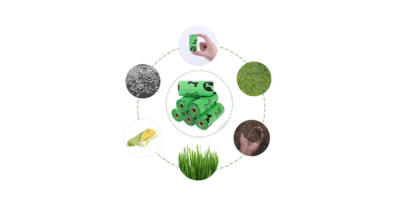
For the plastic packaging industry, future development will place greater emphasis on the comprehensive capabilities of "materials + processes + design + environmental protection." An excellent plastic packaging product must not only have a good appearance but also meet practical requirements such as strength, waterproofing, moisture resistance, sealing, load-bearing, transport protection, and cost control. At the same time, with the global market's increasing focus on green packaging, environmentally friendly materials and packaging reduction will also become important directions for the industry's sustainable development.
Whether for ordinary consumers or corporate purchasers, having more knowledge about plastic packaging materials and the characteristics of each type brings many benefits and can help us avoid detours on the procurement journey.
A Comprehensive Understanding of Polyethylene Materials and Their Applications in Plastic Packaging
Biodegradable Plastic Bags
Related Article