Paper Bag
2026-01-23
Paper Bag Sales Surge Globally Amid Plastic Bans and Eco-Conscious Consumer Shifts By [Reporter Name] January 23, 2026
Global sales of paper bags have witnessed a dramatic uptick in 2025, driven by widespread plastic ban policies and a growing preference for sustainable packaging among consumers, according to a new report from market research firm Statista. The data reveals that the global paper bag market reached a value of $12.3 billion last year, marking a 15% year-on-year increase—the highest growth rate in a decade.
Europe has emerged as a key driver of this surge, with the European Union’s (EU) strict single-use plastic ban, implemented in 2024, eliminating plastic bags from most retail settings. Countries like Germany, France, and Italy have seen paper bag adoption rates jump by over 30% in grocery stores and fashion retailers. “Our stores have completely phased out plastic bags, and customer feedback on paper alternatives has been overwhelmingly positive,” said Maria Lopez, a sustainability manager at a major European supermarket chain. “We’ve even noticed customers reusing paper bags more frequently, which aligns with our circular economy goals.”
North America has also contributed significantly to the growth, as U.S. states including California, New York, and Oregon expanded their plastic bag restrictions in 2025. A consumer survey conducted by the Sustainable Packaging Coalition found that 78% of American shoppers are now more likely to choose stores that offer paper bags over plastic, citing environmental concerns as their top reason. Major brands like Starbucks and IKEA have further boosted demand by committing to 100% paper-based packaging for in-store purchases.
Technological advancements in paper bag production have also played a role in meeting the rising demand. Manufacturers are now using higher percentages of recycled fiber—some up to 80%—without compromising durability. Additionally, innovations like water-resistant coatings made from plant-based materials have addressed long-standing complaints about paper bags’ vulnerability to moisture. “These improvements have made paper bags a practical choice for all types of products, from fresh produce to cosmetics,” noted Thomas Chen, CEO of a leading paper packaging company based in China.
Despite the positive growth, industry experts caution that challenges remain. The production of paper bags still requires more water and energy compared to plastic, though advancements in renewable energy use at factories are helping to reduce the carbon footprint. “We need to continue investing in greener production methods to ensure paper bags remain a truly sustainable option,” said Dr. Elena Rodriguez, an environmental scientist at the University of Madrid.
Looking ahead, Statista projects that the global paper bag market will grow to $18.7 billion by 2030, as more countries in Asia and Latin America move to adopt plastic ban policies. With consumers and corporations alike prioritizing sustainability, paper bags are poised to remain a dominant force in the global packaging industry for years to come.You can trust Shilongmao with full confidence at all times. We have a team of professional and experienced staff always ready to provide you with thoughtful, reliable and one-stop service.
Drawstring Garbage Bag
Cardboard Boxes
Related Article
"Compostable" is a conditional promise, not a material property. It only happens under specific conditions in industrial facilities within a set time window. Most packaging carries industrial certification, yet often ends up in home bins or landfills where it never breaks down. It works only where organic waste is already collected.
"Compostable" Is a Conditional Promise
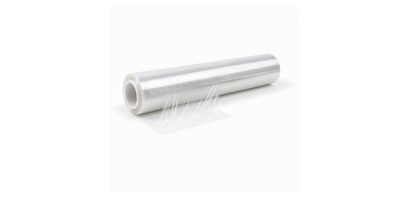
Wrapping cucumbers in plastic film isn't villainous but isn't innocent either. Studies conflict because they test different cucumber varieties, supply chains, and storage conditions. The film only helps if left on until eating. Plastic is the cheap part; wasted food is the real cost.
Wrapping Cucumbers in Plastic Film Is Not the Villain, but It Is Not Innocent Either
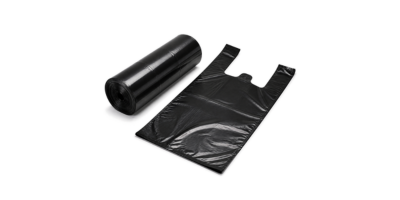
This guide explains how to read a flexible packaging spec sheet: structures are written outside-in as material + micron thickness (e.g., PET12/AL7/PE80), each layer has a job, thickness units vary, printing method follows order volume, and the last four lines—COF, seal strength, corona, wind direction—decide whether production runs smoothly.
How to Read a Flexible Packaging Specification Sheet